

A Day in the Life of a Psychedelic Facilitator
Learn how Numinus alumni apply this curriculum to build a thriving career around psychedelic-assisted therapy.
If you're curious about a career in psychedelic-assisted therapy, you probably have real questions. What does a session actually look like? How do facilitators hold space for deeply transformative, and sometimes difficult, experiences without burning out? Where do they work? And can you actually make a living doing this?
The answer to that last question is yes. But the path looks different depending on where you're starting from.
Below, we’ll explore what a day in the life of a psychedelic facilitator looks like in Colorado, where a career in PAT is in reach.
The Pathways to PAT
There are two licenses available in Colorado: Facilitator and Clinical Facilitator. Numinus supports both tracks. Other states do and will have different license types and requirements.
The Therapist
DEEPENING AN EXISTING PRACTICE
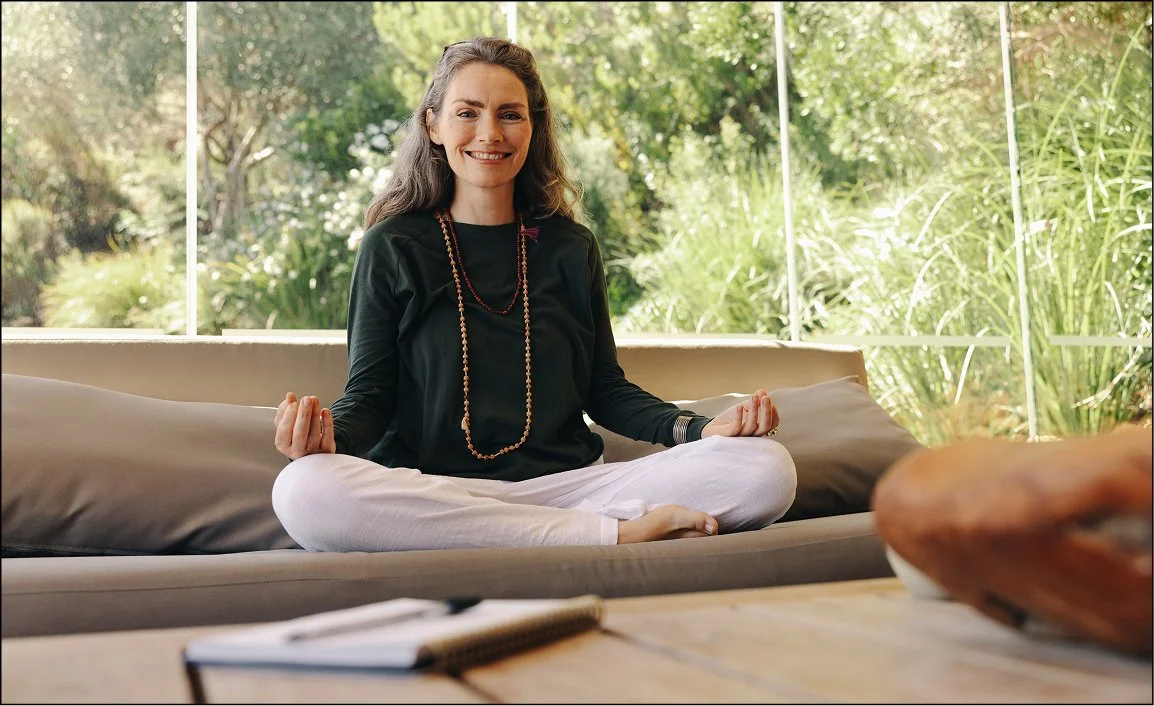
Picture a licensed therapist who has spent years working with clients navigating trauma, depression, or anxiety. They’ve watched people make real progress through traditional modalities, but they’ve also witnessed them plateau. This is one profile of a licensed therapist who opts to become trained in natural medicine facilitation.
As a Clinical Facilitator in Colorado, adding PAT as a modality allows therapists to deepen their work. They can bring existing clinical skills, client relationships, and professional credibility while offering a new level of care.
Therapists, medical professional, and social workers both in and out of state who may or may not plan on integrating actual medicine work into their practice still find value in this coursework, and Numinus's portability protection ensures that the training done in one state can transfer to another state's licensure if needed.

The Layperson
BUILDING SOMETHING NEW
Now picture someone who doesn't have a clinical license, but still has a deep personal connection to the power of psychedelic healing, a calling to hold space for others, and a desire to build a career more aligned with their passions.
Colorado's natural medicine framework was designed to provide access to facilitators without a formal medical background. The standard Facilitator license is available to anyone who completes an approved training program without an underlying clinical degree required. They can practice at licensed healing centers, work alongside other facilitators, and build a meaningful career from the ground up.
Both pathways can lead to sustainable work, and both are valuable for potential clients.
“What was most useful about [Fundamentals of PAT] was how grounded and practical it was while still honoring the depth of the work. It gave me a clear framework for psychedelic preparation and integration that I can actually use with real people, not just understand intellectually.
I learned how to hold safe, steady space without trying to "fix" or over-direct someone, and instead support their nervous system, meaning-making, and inner wisdom with structure, pacing, and ethics. It also helped me build confidence in my voice and presence as a future clinician and guide, especially in the areas of trauma-informed care, emotional regulation, and integration support, which feel deeply aligned with who I am and how I naturally serve.”
Facilitators choose Numinus because of what it represents: clinical credibility balanced with respect for the medicine, and a cohort of peers who can walk alongside them.
What Does the Work Actually Look Like?
At a glance:
Clinical Facilitators integrate PAT into existing private practice, while Natural Medicine Facilitators work in a separate container.
Facilitators work with existing and new clients on a regular basis, because there’s more than a single journey involved: fit calls, preparation, and integration sessions all happen alongside a journey day.
Facilitators typically conduct 2-4 medicine sessions per month, and Clinical Facilitators may still hold standard therapy sessions
Some facilitators practice independently in partnership with multiple licensed healing centers, while others work only with a single healing center.

Most mornings start like any therapist's: reviewing notes, preparing for sessions, maybe a supervision call. Depending on the healing center, some facilitators may also work on administrative tasks, seek out new clients through marketing activities or work with partners, or attend workshops and webinars.
For a full client load, most days will involve some sort of client call: a preparation session, checking medical history, or an integration call. With ~3-4 medicine sessions per month, and at least 3 additional touchpoints beyond the session, a facilitator can expect a minimum of 10-12 hours per month spent directly with clients.
Medicine sessions themselves are full day commitments, running 5-8 hours. Facilitators remain present the entire time, holding space, tracking the experience, guiding when needed, and staying out of the way when the client's inner wisdom takes over. It is some of the most demanding and most rewarding work many facilitators report doing.
Most facilitators have clearly defined integration processes. For Clinical Facilitators, integration may also involve working with a client’s other practitioners. They may also see patients as regular therapy clients.
What facilitators love:
The depth of the work, the pace of their life, and the relationships with clients over time. The feeling of working hard, but for real people rather than for a corporate entity.
The administrative side of running an above-ground practice, such as informed consent documentation, coordination with healing centers, and staying current on Colorado regulatory updates.
What facilitators love:
Plenty of questions come up once facilitators begin practicing. Numinus offers free supervision and mentorship groups to all Numinus alumni to ensure they have regular guidance and touch points to support them as they build and flourish within this burgeoning field.
Where Numinus plays an ongoing role
The Opportunity
Most people are drawn to psychedelic facilitation through a deep calling to serve others. Sustainable income makes it possible to turn that calling into a career, and in Colorado and Oregon (with additional states and countries to come), that income is within reach.
What's possible as a licensed psychedelic facilitator in Colorado
Licensed healing centers in Colorado
47
Licensed facilitators in Colorado
~85
Average cost per medicine session
~$3,300
Potential monthly income at 5 sessions/month
~$16,500 gross
Potential monthly income at 5 sessions/month
~$8,000
Time to positive return on training investment
1-2 months
These figures reflect the current above-ground market in Colorado and are intended as directional benchmarks, not guaranteed outcomes. Facilitator income varies based on practice model, employment structure, and client volume, and may change alongside state and federal policies.
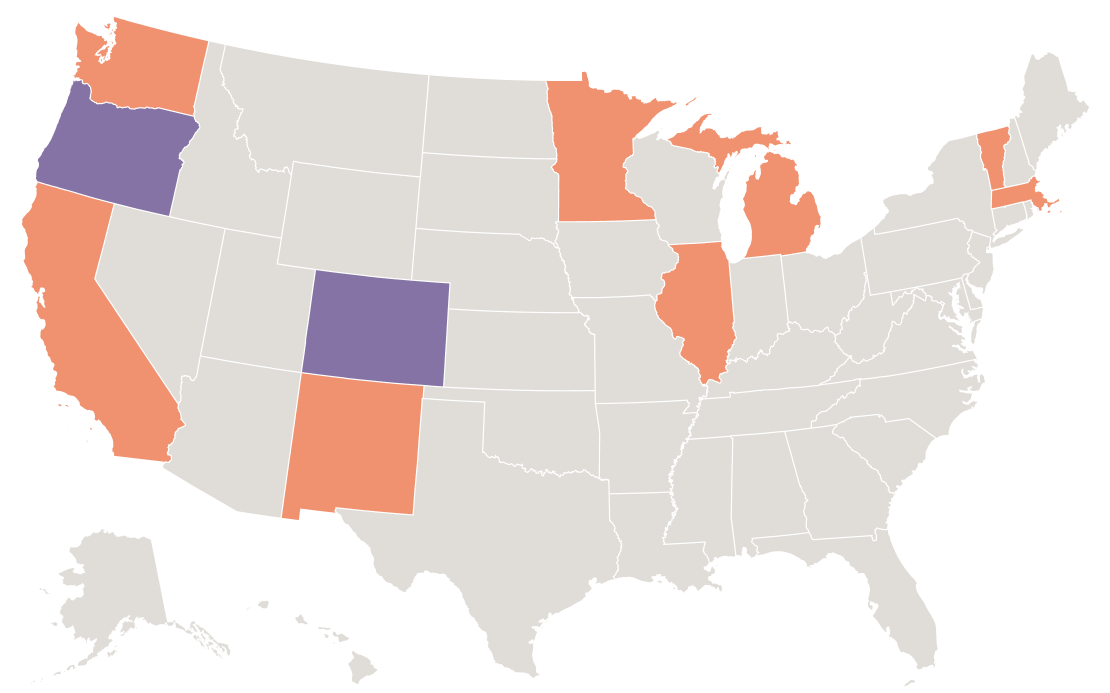
Colorado is the clearest path today, but it isn't the only one. The legislative landscape is moving quickly across the country.
Where else can you practice?
Active legal frameworks:
Colorado — licensed healing centers, two facilitator tracks (professional and layperson)
Oregon — licensed service centers, facilitator certification program
Minnesota
Massachusetts
Vermont
Illinois
Active legislation or ballot measures:
California
Washington
New Mexico
Michigan
Numinus's portability protection means that if you move from one state to another that allows psychedelic-assisted therapy, we can easily port your Numinus training over to meet licensure requirements
Federal movement
The FDA has designated psilocybin-assisted therapy as a Breakthrough Therapy for treatment-resistant depression. Federal scheduling reform is an active conversation. The practitioners building expertise today will be practicing in a very different (and much larger) landscape within the next five years.
The Opportunity
You've seen what this career looks like from the inside. The question is whether it's the right path for you.
Fundamentals of PAT is where all of our facilitators started. It’s a 10-week, 63-hour cohort-based program, flexible enough to fit around your existing work, and rigorous enough to prepare you for real practice. Numinus has accredited pathways in Colorado and Oregon, with instructors who are actively delivering care above ground.
The field is moving quickly. The practitioners building their expertise now will be the ones leading it when the door fully opens.